
Dec
Animal Intuition & Safety
How seasonal changes affect pet behaviour: Winter and Summer care tips for Dogs and Cats
Seasonal changes and pet behaviour: what December teaches us about our animals
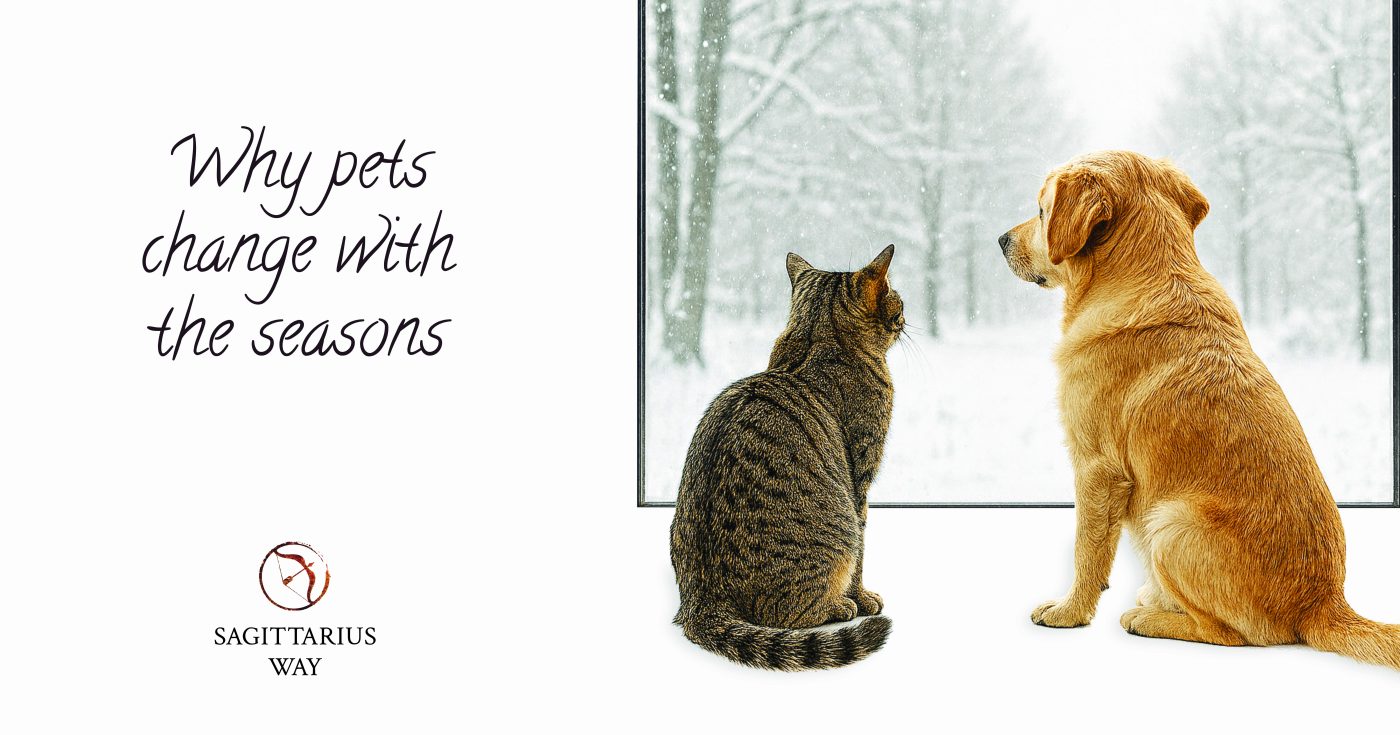
As the calendar turns to December, pets around the globe begin to sense a shift. Whether it’s the chill of winter creeping across the Northern Hemisphere or the rising heat of summer blanketing the Southern Hemisphere, the season brings changes that our animal companions don’t miss. This time of year, pet owners often report unusual behaviours: dogs sleeping more, cats hiding, or pets becoming agitated during outdoor events. But these aren’t just quirks—they’re signs of seasonal sensitivity. Animals, like humans, respond deeply to environmental shifts, and understanding these responses can help us support them with compassion.
Winter blues and cosy moods
In North America, Europe, and parts of Asia, December signals the arrival of winter. The days grow shorter, temperatures drop, and the energy in the home often changes with the holiday buzz. Dogs and cats may mirror this shift by becoming more lethargic or seeking warmth. It’s not unusual for a typically energetic dog to nap more or a playful cat to become a little more reserved. Reduced daylight impacts their circadian rhythms, and colder weather discourages activity—even the most enthusiastic pup may bark at a frosty morning walk.
Some pets, especially older ones or those with joint issues, may also show increased stiffness or soreness during cold snaps. This can make them seem grumpier or less interested in play. Pet owners might notice their companions need extra time to get moving in the morning or prefer to stay curled up in a favourite warm spot. These behaviours aren’t cause for concern unless they’re extreme or sudden. Often, they simply mean our animals are adapting to the season.
Summertime sensitivities
Meanwhile, in countries like Australia, Brazil, and South Africa, December means rising temperatures and the full swing of summer. Dogs may lie low during the hottest parts of the day, avoiding play or long walks. Cats might seek cool surfaces to sprawl out on or spend more time grooming to regulate body temperature. Heat can quickly drain energy from pets, and many become less active or social to conserve it.
This time of year also brings holiday noise, visitors, and disrupted routines. Fireworks around New Year’s Eve, backyard barbecues, or house guests can all create stress for animals sensitive to change. Some pets become clingy or hide; others might become more vocal or reactive. It’s all a response to the stimulation overload that can come with festive activity.
Holiday Energy and Emotional Waves
Beyond weather, December carries emotional energy that animals pick up on. Holidays often come with high activity levels, excitement, and sometimes tension. Pets feel the shift in household dynamics—more people, more noise, and usually less structure. A pet that thrives on routine might feel unsettled when daily patterns change. If you’re feeling overwhelmed, chances are your animal feels it too.
Behaviour changes can reflect this stress. You might notice your dog barking more, your cat knocking over decorations, or a generally well-behaved pet suddenly acting out. These are coping responses. Just as humans do, pets can express anxiety or confusion through behaviour. The good news is that with a bit of awareness, we can help them navigate it.
What animal behaviour tells us
Animal communicators often hear from clients puzzled by their pet’s sudden change in mood during seasonal transitions. Dogs that usually love the outdoors may resist going outside. Cats may become more aloof or, conversely, needier than usual. The question arises: “What happened?”
Often, the answer is simple—the season. Temperature, light, household energy, and even the scent of the air shift in ways animals feel profoundly. They may not understand why things have changed, but they feel it nonetheless. A dog who refuses their evening walk in winter might be responding to frozen sidewalks or the early darkness. A cat hiding under the bed on a hot day might be escaping overstimulation.
Helping pets adjust to seasonal change
Whether you’re guiding clients or caring for your own animals, there are gentle ways to support pets through seasonal changes:
- Keep Routines Steady: As much as possible, stick to consistent meal times, walks, and play. This gives pets a sense of safety and predictability.
- Create Comfort Zones: In winter, offer cosy bedding in draft-free spots. In summer, make sure there’s shade, airflow, and cool water always available.
- Limit Overstimulation: During holidays, set aside quiet time for your pets. Let them retreat when they need space, and avoid forcing interaction with guests.
- Watch for Signs of Stress: Panting, pacing, hiding, or changes in eating and toileting habits can all signal stress. Gentle reassurance, more one-on-one time, or calming aids may help.
- Adjust Activities Mindfully: If it’s too hot or cold, shorten outdoor time and find creative ways to engage pets indoors. Puzzle toys, scent games, or new training exercises can work wonders.
- Stay Attuned: Trust your instincts and your bond with your animal. If something feels off, it’s worth exploring with a vet or communicator.
A season for deeper connection
Seasonal shifts are an invitation to deepen our understanding of our animals. Just as we feel the urge to hibernate or celebrate depending on the time of year, so too do our pets. They live in rhythm with nature, and when we slow down enough to notice, we start to see those rhythms too.
December, whether wrapped in snow or soaked in sunshine, is a time when our animal companions show us how in tune they are with the world around them. Their behaviours remind us to stay present, adapt, and be kind—to ourselves and to them. When we meet them with empathy and awareness, we foster trust that lasts all year long.
Give the Gift of Deeper Connection
As the seasons shift and our pets respond in subtle, soulful ways, there’s no better time to deepen your bond with them. Sagittarius Way’s Animal Communication Session Gift Vouchers offer a unique and meaningful way to connect with your furry, feathered, or finned companions. Whether you’re curious about behavioral changes, navigating emotional transitions, or simply seeking to understand your pet on a deeper level, these sessions open a door to heartfelt insight and connection.
Explore the extraordinary gift of animal communication because every season is a chance to listen, learn, and love more deeply.