
Aug
blog
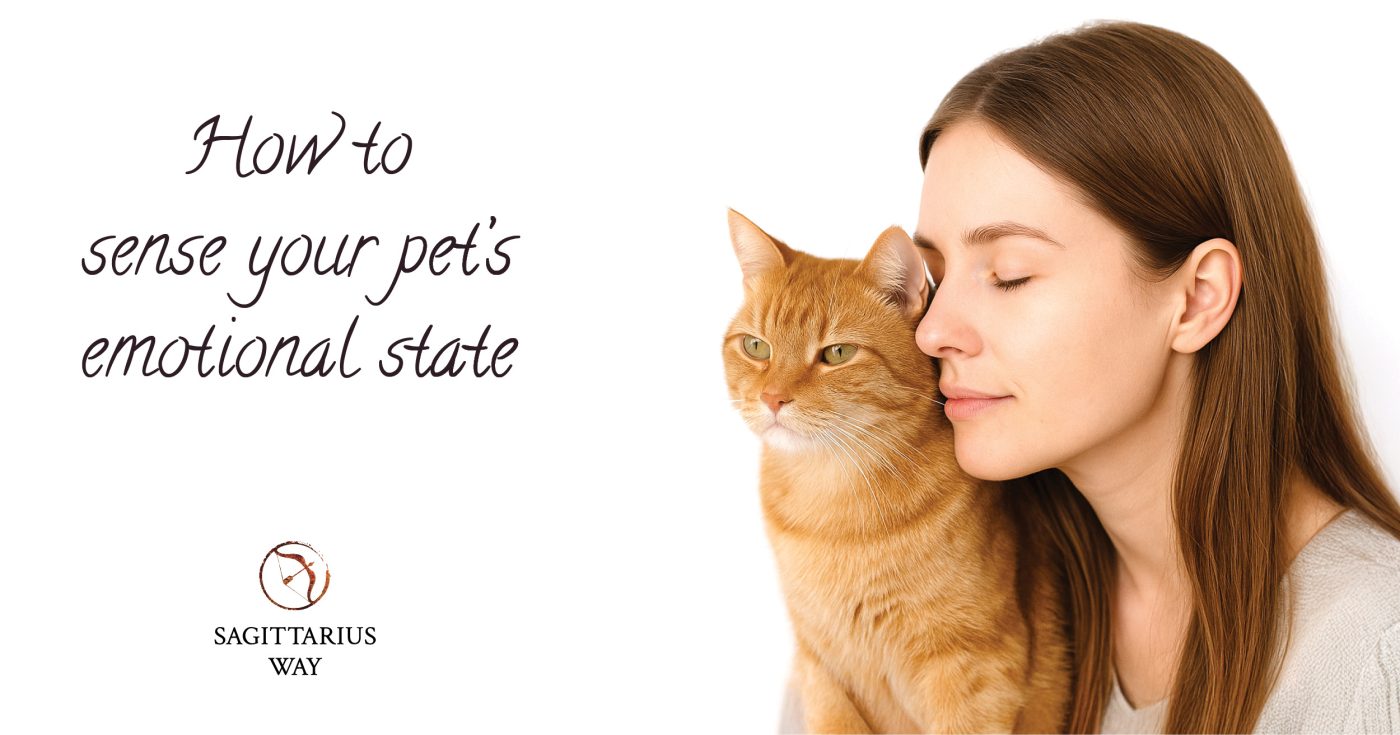
Read pet body language and deepen your connection through animal empathy tips
There is a quiet language spoken in soft eyes, shifting ears, and subtle stillness. It isn’t human language. It’s older. Wiser. Rooted in instinct, trust, and emotion.
And if you’ve found your way here, you’re likely someone who feels that language, perhaps even before understanding it logically. You know your pet is speaking to you. You’ve seen it in the lingering gaze, the tensed shoulders, or the joy that moves through their body like sunlight across water.
In this post, I’ll gently guide you into the art of sensing your pet’s emotional state. You’ll learn how to read pet body language and explore meaningful animal empathy tips that help you respond with clarity, kindness, and intuition.
Why It Matters
Animals are emotional beings. They feel joy, fear, grief, excitement, and peace. But they don’t use words. They speak through movement, energy, and emotional tone.
When you learn to understand their nonverbal cues, you become a safer and more trusted presence in their lives. You create an environment where they feel seen, supported, and loved.
This is more than observation. It’s empathy in motion.
Reading Pet Body Language
Each part of your pet’s body is speaking. Taken together, these signals form a cohesive emotional narrative.
Eyes
Soft, half-closed eyes often signal contentment and trust.
Wide eyes that show the whites (commonly known as “whale eye”) may indicate stress or fear.
A gentle blink can be a calm invitation to connect.
Ears
Ears held naturally and softly suggest a sense of ease.
Perked ears may mean alertness or curiosity.
Pinned back ears usually express discomfort, anxiety, or submission.
Tail
A relaxed tail, loosely wagging or held gently, indicates friendliness and calm.
A high, stiff tail that wags quickly can indicate excitement, over-arousal, or agitation.
A tucked tail often signals fear or a need to retreat.
Mouth
A slightly open, relaxed mouth suggests a state of relaxation.
A closed, tight mouth or excessive panting not caused by heat can be a sign of stress.
Yawning or licking lips in quiet moments can also be subtle signs of unease.
Body
Loose, flowing movement often shows comfort.
A stiff stance, lowered head, or weight shifted back may reflect anxiety.
The classic “play bow” posture, with the front body lowered and rear in the air, signals an invitation to play and connect.
Tip: Always consider the whole body and its surrounding context. No single sign tells the whole story. Look at the overall energy and the moment they’re in.
Practising Animal Empathy
Empathy is more than observing behaviour. It’s about truly feeling with your animal and responding in a way that helps them feel safe and understood.
1. Slow Down and Be Present
Animals live in the moment. When you soften your breath, quiet your energy, and become fully present, they notice. Your stillness creates a space where they feel safe to be themselves.
2. Mirror Calmness
If your pet is anxious, meet them with steadiness, not intensity.
If they’re playful, respond with gentleness, rather than overwhelming them.
Reflect the energy you wish to see, not the one they’re struggling with.
3. Respect Their Space
Not every emotion needs to be fixed. Sometimes the most healing thing you can offer is your quiet presence. Let them approach when ready. Let their energy soften without pressure.
4. Trust the Bond
Animals read us more easily than we realise. When you bring grounded compassion into your interactions, they feel it. You don’t need to know all the answers—be a calm, open presence.
Why It Works
Reading body language and practising empathy builds safety, trust, and emotional harmony. It helps your pet feel understood, especially during times of stress or transition.
This kind of listening deepens your bond. Your relationship becomes more than coexistence—it becomes a partnership.
You’re not just a caretaker. You’re a trusted companion.
Final Thoughts
You don’t need to be an expert to sense your pet’s emotions. You need presence. Curiosity. And a willingness to listen with your whole being.
When you read pet body language and respond with empathy, you build a foundation of trust that supports your pet in every season of their life.
So next time your pet looks at you with quiet eyes or shifts their weight ever so slightly, pause.
There’s a message there.
And it’s yours to hear.