

Feb
Animal Intuition & Safety, Healing and Health
Anxiety in shelter Dogs: What it is, why it happens and how to help
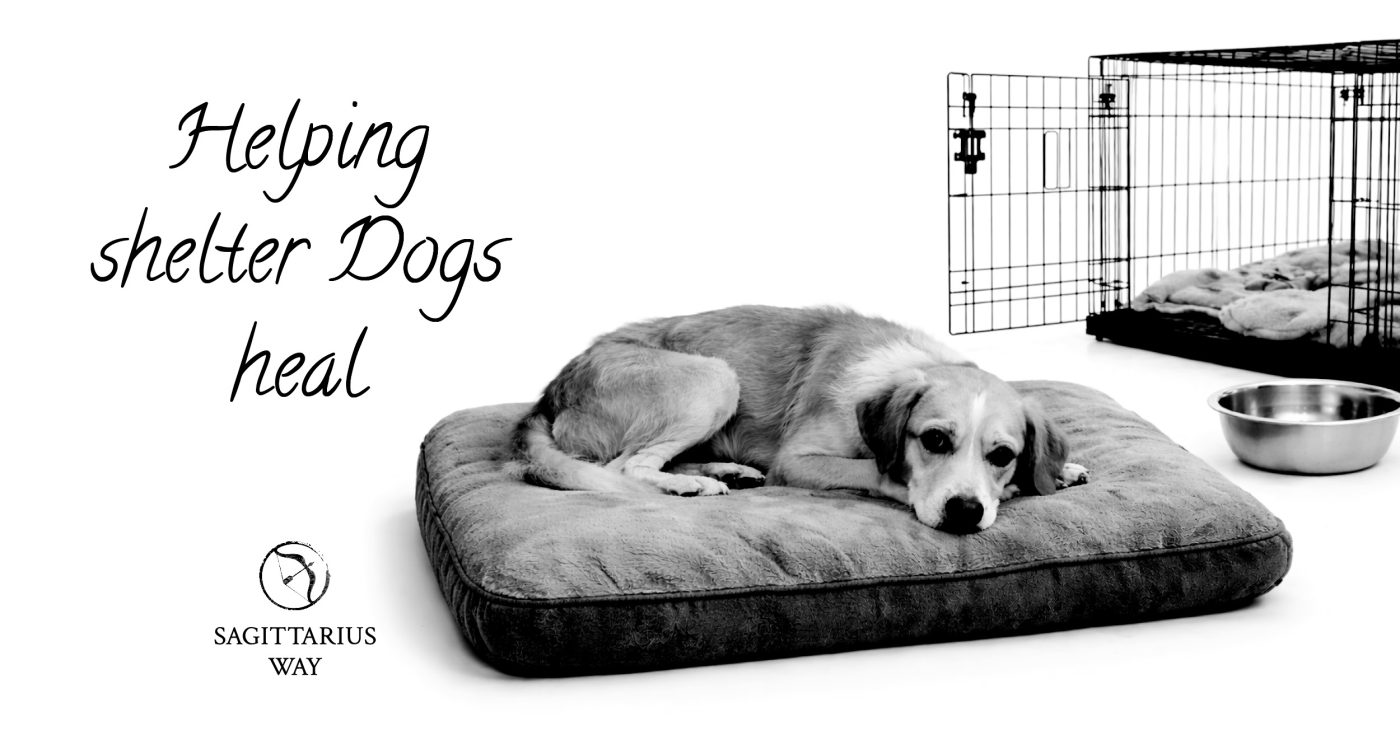
Shelter dogs are brave in ways most people never see. Imagine losing everything familiar—your people, your routines, your smells, your safe corners—and then landing in a place full of barking, bright lights, strange hands, and constant change. For many dogs, anxiety in a shelter (and after adoption) isn’t “bad behavior.” It’s a nervous system doing its best to cope.
Why shelter dogs get anxious
Anxiety can come from a few overlapping roots:
- Stress from the environment: Shelters can be loud, busy, and unpredictable. Even confident dogs can become overwhelmed.
- Loss and grief: Dogs form attachments. When those bonds break, it can feel destabilizing.
- Past experiences: Some dogs have lived through neglect, harsh handling, scary encounters, or inconsistent care.
- Lack of control: In a kennel, a dog can’t choose distance, quiet, or timing—three things that often create safety.
- Big life transitions after adoption: A new home is wonderful… and still a major shock to the system.
Signs of anxiety to watch for
Anxiety doesn’t always look like shaking in a corner. It can be subtle or “busy.”
Common signs include:
- panting when not hot, pacing, trembling
- whining, barking, or “can’t settle” energy
- hiding, freezing, or avoiding touch
- destructive chewing, scratching doors, and accidents indoors
- loss of appetite or picky eating
- hypervigilance (startles easily, scans constantly)
- over-attachment or panic when left alone
If a dog seems “shut down” (very still, quiet, compliant), that can also be stress—some dogs cope by going inward.
The first days: think decompression, not perfection
A lot of rescues use a “3-3-3” guideline (3 days to decompress, 3 weeks to learn the routine, 3 months to feel at home). It’s not a strict rule—some dogs need less time, some need more—but it helps you stay patient.
In the beginning, your goal is simple: help the dog feel safe. That usually means:
- Predictable routine: same wake time, meals, walks, and bedtime
- A quiet safe zone: a bed in a low-traffic corner, or a crate if the dog chooses it
- Lower expectations: fewer visitors, fewer outings, fewer “tests.”
- Small wins: calm moments count more than obedience cues
What actually helps anxiety (the kind, steady way)
- Sniff walks: Let them sniff. Sniffing is calming and regulating for many dogs.
- Enrichment that soothes: Lick mats, stuffed Kongs, chew items, scatter feeding.
- Positive reinforcement: Reward calm, brave choices. Avoid punishment—it can increase fear and anxiety.
- Gentle training: Short sessions, easy goals, lots of success.
- Body language respect: If they turn away, pause. Consent builds trust fast.
- Support tools (sometimes helpful): calming music, pheromone diffusers/sprays, pressure wraps, supplements—these vary by dog, so treat them as “maybe,” not magic.
When to get extra help
If anxiety is intense, persistent, or includes panic, self-injury, or serious aggression, reach out to a vet and a qualified behavior professional (force-free). Sometimes medical issues, pain, or GI discomfort can amplify anxiety. And for some dogs, medication isn’t a last resort—it’s a bridge to learning.
A hopeful truth
An anxious shelter dog isn’t broken. They’re adapting. With safety, consistency, and gentle guidance, many dogs blossom into steady companions. Your calm presence becomes a new map for their nervous system—one quiet moment at a time.